Common Liver Diseases Alcoholic Liver Diseases
Hepatitis | Viral Hepatitis | Liver
cancer | Biliary
disease | Other/metabolic
diseases | Acute
liver failure
Alcoholic Liver Disease
Did you know....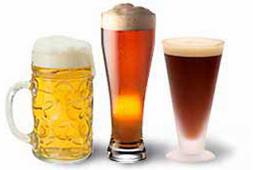 Women are more prone to liver damage from drinking alcohol
than men?
Women are more prone to liver damage from drinking alcohol
than men?
If you must drink…
- Drink in moderation, i.e., not more than 10-12 units
(one unit is one shot of whisky, or a glass of beer or
wine or equivalent) per week.
- Do not drink on empty stomach
- Do not ignore food - you must have normal quantities
of nutritious food. One of the major problems with excess
alcohol is that it blunts appetite and leads to malnourishment
and dietary deficiencies.
- Drink a lot of non-alcoholic fluids especially lemonade
after consuming alcohol.
- Never drink alone
- Avoid mixing your drinks
- Take "alcohol-free breaks" say 3 months in a year. This
helps in partial recovery of the liver damage
What is alcohol-induced liver
disease and what are its symptoms?
Alcohol-induced liver disease, as the name implies,
is caused by excessive consumption of alcohol and is a common but
preventable disease.
There are three stages of alcohol-induced liver disease
including the following:
Fatty liver (Stage I)
Fatty liver is excessive accumulation of fat inside the
liver cells. This is the most common alcohol-induced liver disorder.
The liver is enlarged, causing upper abdominal discomfort on the
right side.
Alcoholic hepatitis (Stage II)
Alcoholic hepatitis is an acute inflammation of the liver,
accompanied by the destruction of individual liver cells and scarring.
Symptoms may include fever, jaundice, an increased white blood cell
count, an enlarged, tender liver, and spider-like veins in the skin.
Alcoholic cirrhosis (Stage III)
Alcoholic cirrhosis is the destruction of normal liver
tissue, leaving non-functioning scar tissue. Symptoms may include
those of alcoholic hepatitis, in addition to portal hypertension
(leading to blood vomiting), enlarged spleen, ascites, excessive
bleeding (due to poor clotting), kidney failure, confusion, or liver
cancer.
How is alcohol-induced liver disease diagnosed?
- Medical history: Anyone with the above symptoms
- History of alcoholism: consumption of more than 20 units a week (one unit is one bottle of beer or a glass of wine or a peg of whisky) of alcohol for more than 10 years
- Laboratory tests such as prothrombin time
- Liver function tests - a series of blood tests to determine if the liver is functioning properly.
- Liver biopsy - a procedure in which tissue samples from the liver are removed (with a needle or during surgery) from the body for examination under a microscope.
Treatment for alcohol-induced liver disease
Specific treatment for alcohol-induced liver disease
will be determined by your physician based on the stage of the disease
and your acceptance to give up alcohol.
The goal of treatment is to restore some or all
normal functioning to the liver. Treatment usually begins with abstinence
from alcohol.
In Stage I of fatty liver, and
early stages of alcoholic hepatitis (Stage II), merely
abstaining from alcohol should control and even cure the problem
to a large extent. The liver has great restorative power and is
often able to repair some of the damage caused by alcohol. However,
the only damage it cannot reverse is scarring from cirrhosis. Once
cirrhosis is established (Stage III), the disease
will inevitably progress. However, the rate of progress is slowed
down markedly with alcohol abstinence.
Once advanced cirrhosis sets in, complete abstinence
from alcohol and liver transplant is the only option.
Top