All About Liver Transplant Operation
Who needs a transplant | Pre-transplant evaluation | Transplant operation | Post operative care | Living with a transplant
Cadaveric donor (deceased donor) liver transplant
The waiting time can be very variable from
1 to 12 months depending on your blood group and your waiting
list number. While waiting, if you are not available at your
usual numbers, you must inform the Transplant Team of your
whereabouts at all times so that they can contact you as soon
as an organ becomes available.
It is good idea to have a suitcase already
packed with essential toiletry and underwear at home so that
no time is wasted before you go to the hospital.
Live Donor Liver Transplant
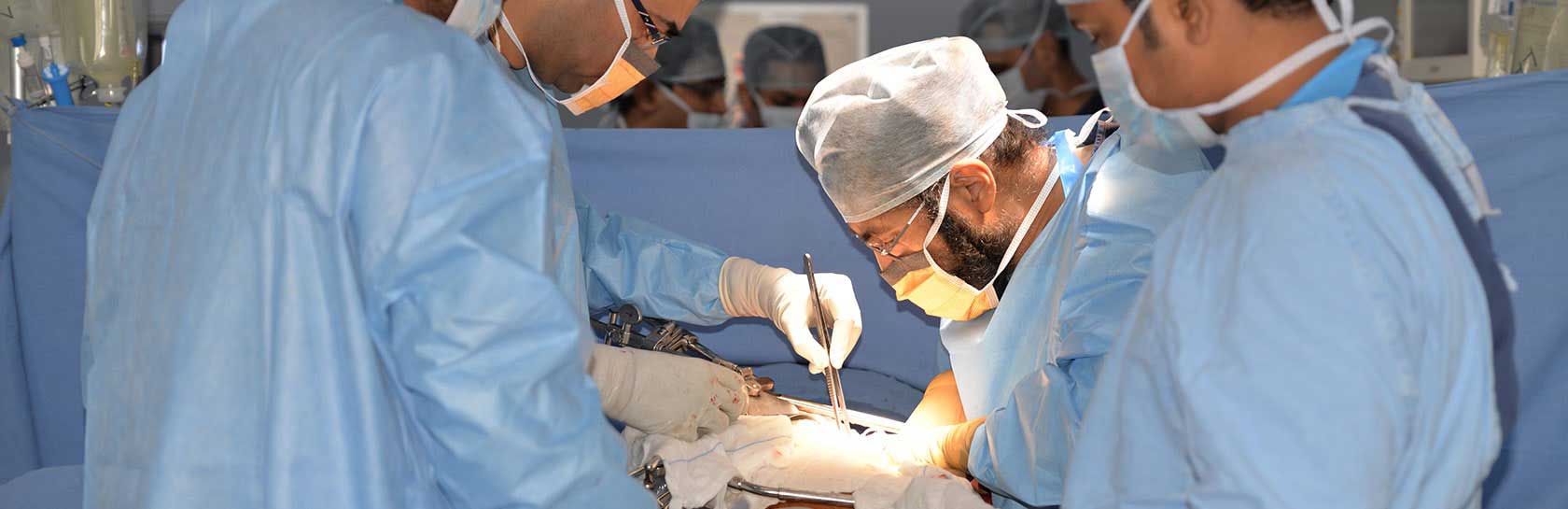
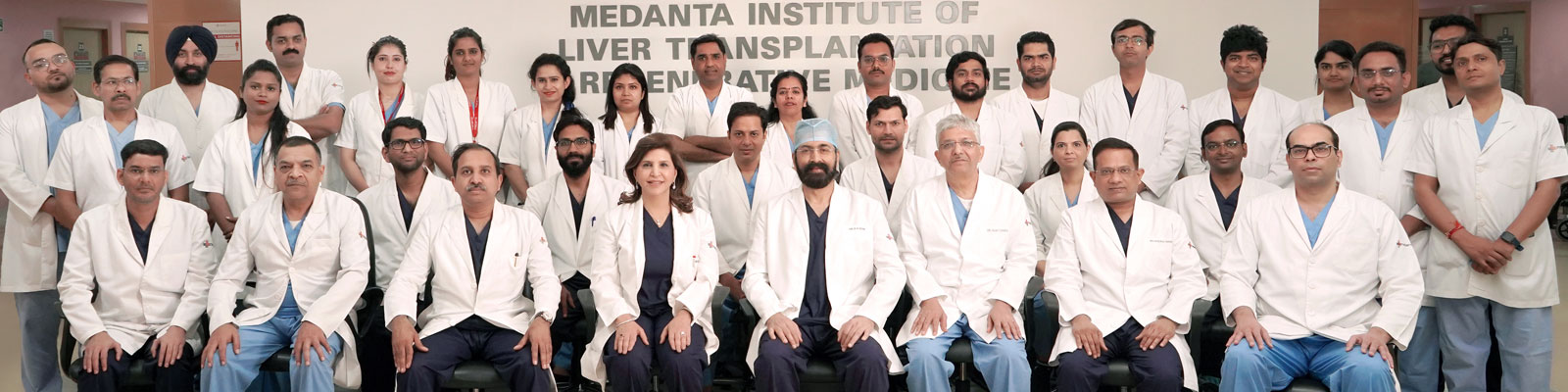
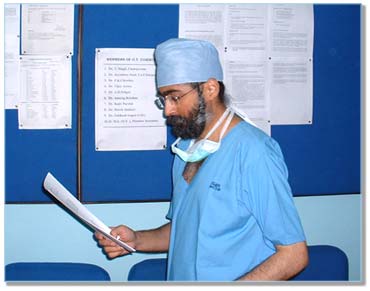
Due to a lack of cadaveric donors in India, majority of the transplants Dr. Soin currently performs are live donor liver transplants whereby a portion of the patient's relative's liver is removed and is used to replace the diseased liver of the patient. Dr. Soin's team at Medanta conducts 30 live donor liver transplants every month with results which are at par with the best centres in the world i.e., a success rate of 95%. The details of suitability for and safety of liver donation are given in the section "Liver Donation".
CLICK
TO VIEW SNAPSHOT OF OPERATION
(one of the Live Donor Liver Transplants conducted by the author and his team at his centre, Medanta - The Medicity Hospital)
Preparing for Surgery
When you arrive at the hospital, you will undergo a series of tests.
These are a routine part of the preparation for surgery and are
designed to discover any infections which may not be immediately
obvious. You will have a general physical examination and be asked
to give samples of urine and blood. A chest X-ray, and electrocardiogram
of your heart will also be made. Finally you will be asked to wash
yourself thoroughly with antiseptic soap and the nurse will shave
the surgical area.
The transplant surgeon and anaesthetist will meet
with you to explain the operation procedure and the risks that may
be involved. You will be asked to sign a form consenting to the
operation.
The Operation
The transplant involves a major operation to remove
the diseased liver and replace it with a normal donor liver placed
in its usual position in the right upper abdomen. While this may
sound relatively easy, the surgery is very demanding and can take
between six and eighteen hours to complete. At least three surgeons,
two anaesthetists, and half a dozen nurses are needed during
the operation. The diseased liver must be disconnected from four
major blood vessels and the tube that carries bile from the liver
to the intestines, known as the bile duct, has to be disconnected
from the bowel. The new liver is then put in place, and the major
blood vessels and bile duct reattached to complete the operation.
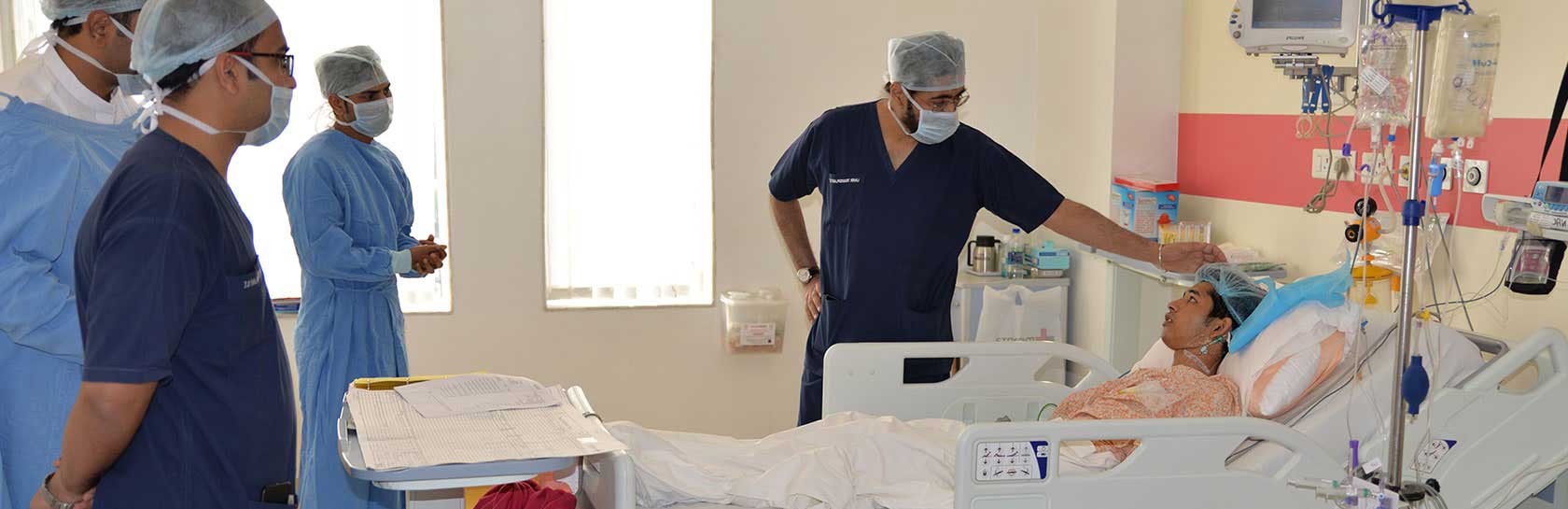
After the operation you will be taken to the intensive care unit and connected to a respirator (breathing machine). If all goes well, the respirator can gradually be phased out over 24-48 hours, although it is not unusual to require the respirator for longer periods of time.
After three to ten days in intensive care, you will
probably spend another two to four weeks convalescing in the transplant
unit before being allowed to go home. It is important that you try
to get up and about as soon possible so that blood circulatory problems
can be avoided.
Since the donor liver is foreign to the body, the body mounts an
immune response to reject it. This is prevented by certain medicines
referred to as immunosuppressive drugs.
After another one month at home, you will start feeling
normal again and gradually be able to get back to normal activities.
Once the donor liver takes in the body (if the person remains well
for about 3 months after operation), the person has an excellent
chance of leading a normal life and with longevity comparable to
any other person of their age and fitness.
Check-up Visits
During the first 3 months after discharge from the
hospital, it is important that you return to the Transplant Unit
once or twice a week for follow-up visits. The purpose of follow-up
visit is to monitor your progress and detect any potential complications.
On each visit, your liver function will be carefully assessed and
you will undergo an examination so that any infections can be identified.
Once you are stable, the frequency of visits will decline.
Top